For those exploring the diverse world of forest-harvested botanicals, red bali kratom represents one of the most historically recognized and widely discussed regional designations. Derived from the leaves of the Mitragyna speciosa tree, this botanical variety carries a rich heritage tied to the old-growth forests of Southeast Asia. Understanding its origins, harvesting techniques, and quality-testing standards helps wildcrafting enthusiasts make informed, traditional choices.
New to strain names? Our guide to types of kratom explains what names like Bali, Borneo, Thai and Maeng Da refer to — and why the same name can differ from brand to brand.
The Geographic Roots of Red Bali Kratom
Despite its widely recognized name, the majority of what is traded globally as Red Bali kratom is not actually grown on the island of Bali itself. Historically, the port of Bali served as the primary transit and shipping hub for raw botanical materials collected from the dense, old-growth rainforests of neighboring regions, particularly the massive river basins of Kalimantan in Indonesian Borneo. This historical trade route cemented the name in the global botanical market, where it remains a staple designation for specific regional profiles.
The trees from which these leaves are harvested thrive in the highly acidic, nutrient-dense soils of the Indonesian rainforest. Sourced primarily by traditional wildcrafters who navigate the waterways of Borneo, these mature Mitragyna speciosa trees have adapted to seasonal flooding and dense canopy environments, resulting in a distinct botanical profile that has been utilized by indigenous communities for generations.
Harvesting and the Red-Vein Drying Process
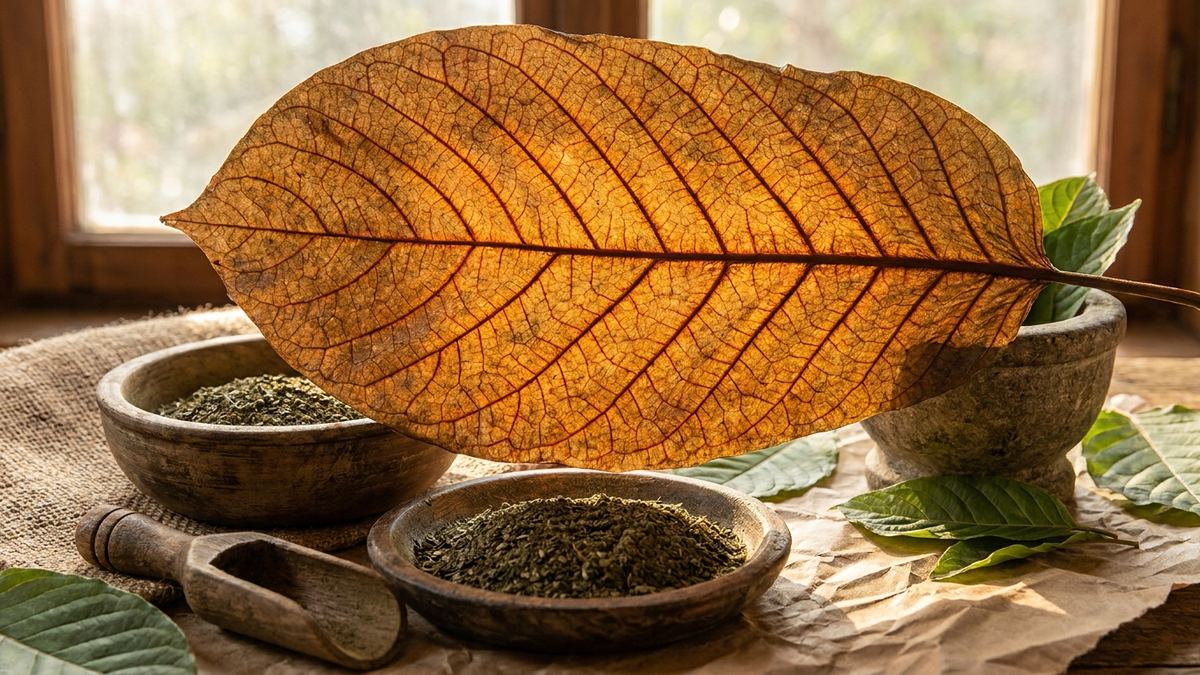
The journey of Red Bali begins with the selective harvesting of mature Mitragyna speciosa leaves by skilled local growers. The term red vein refers initially to the physical coloration of the veins and petioles on the underside of the living leaf, which changes as the leaf matures on the branch. Harvested at peak maturity, these leaves are carefully collected from the wild or semi-cultivated forest gardens along the rivers, where the humid climate supports optimal growth.
Once harvested, the secret to the distinct characteristics of red-veined powders lies in the drying process, which differs significantly from green or white varieties. Red Bali leaves typically undergo a prolonged drying phase, often utilizing a combination of indoor air-drying and strategic outdoor sun exposure, or even specialized fermentation in sealed bags. This careful exposure to warmth, moisture, and UV light alters the chemical structure of the leaf’s naturally occurring alkaloids, converting them into the stable profile characteristic of traditional red-vein powders before they are finely milled.
Verifying Quality and Purity with a COA
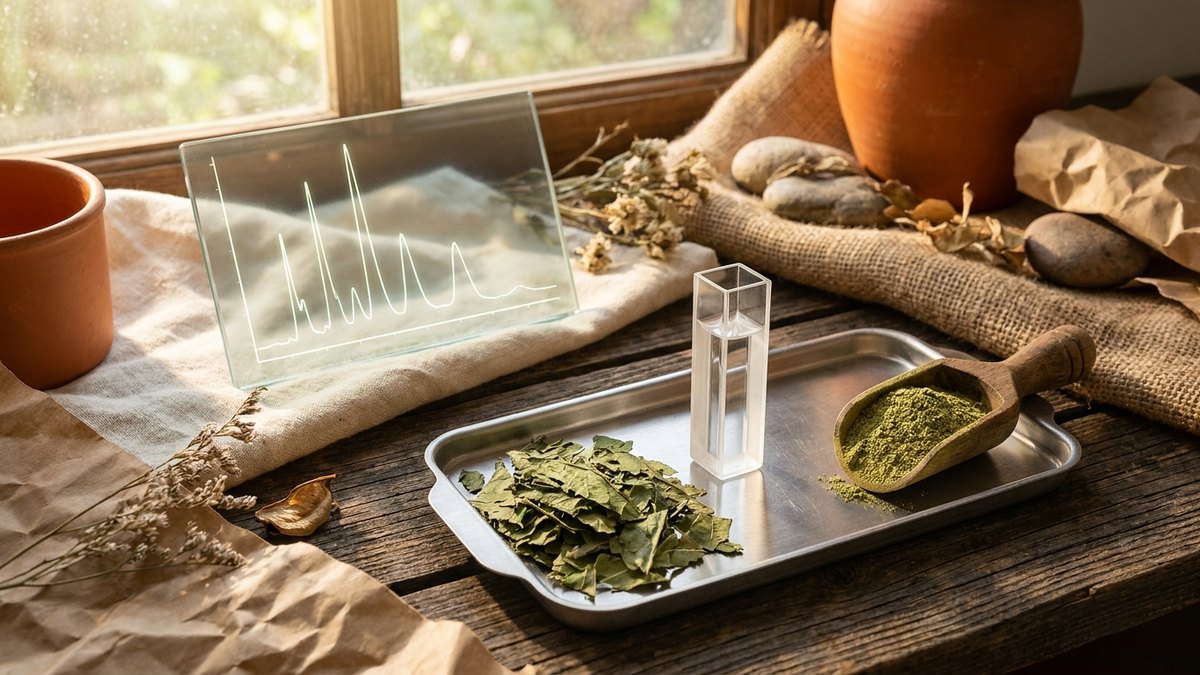
In an unregulated marketplace, ensuring the purity and authenticity of your red-veined botanicals requires looking beyond labels to objective laboratory data. A Certificate of Analysis (COA) from an independent, third-party laboratory is the gold standard for verifying the identity and safety of any batch of Red Bali. These reports analyze the material for heavy metals (such as lead, arsenic, and cadmium), microbiological contaminants (including salmonella and E. coli), and the precise concentration of key alkaloids like mitragynine.
Transparent distributors of wildcrafted kratom make these lab results readily accessible to consumers over the age of 21. By matching the batch number on your product packaging with the corresponding COA, you can verify that the raw leaf powder is free from adulterants and unwanted pathogens, confirming that the traditional harvest has been handled with modern, rigorous standards of cleanliness and safety from the forest floor to the final package.
From Wild Root Kratom
Explore Whole Herbs Red Bali Kratom Powder and Whole Herbs Red Vein Bali Kratom Capsules from Wild Root Kratom. You can also browse our kratom capsules.
Frequently asked questions
What is Red Bali kratom?
Red Bali kratom is a traditional variety of Mitragyna speciosa characterized by red-veined leaves harvested at maturity and processed using specific drying techniques.
Why is it called Bali kratom?
The name originates from historical shipping routes where botanical harvests from Borneo were consolidated and exported through ports on the island of Bali.
How is red vein kratom dried?
Red vein leaves are typically dried through a combination of indoor shade drying, outdoor sun exposure, or a brief fermentation process to cure the leaf and stabilize its natural alkaloid profile.
How can I check the quality of Red Bali kratom?
You can verify the quality by requesting a third-party Certificate of Analysis (COA) that matches the product batch number, showing test results for heavy metals, pathogens, and alkaloid content.
Disclaimer: Wild Root Kratom products have not been evaluated by the Food and Drug Administration and are not intended to diagnose, treat, cure, or prevent any disease. Kratom is not sold for human consumption and is not legal in every jurisdiction — you are responsible for knowing and following your local laws. You must be 21 or older to purchase. This article is provided for general educational and informational purposes only.