
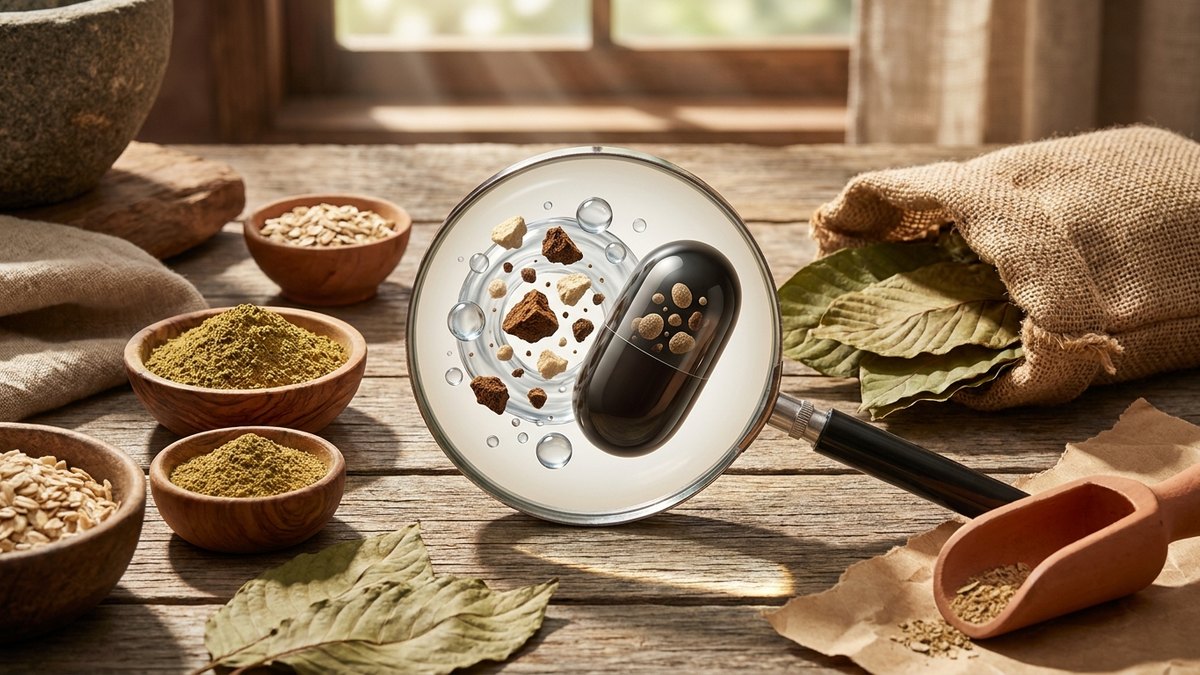
Choosing between kratom powder vs capsules is one of the first decisions a buyer makes when exploring this ancient Southeast Asian botanical. Each format offers a distinct way to interact with the raw leaf, reflecting different aspects of preparation tradition and modern convenience. Understanding the factual differences in how these formats are packaged, measured, and stored helps enthusiasts aged 21 and older make an informed choice for their collection.
Kratom Powder vs Capsules: Convenience and Preparation Traditions
In the dense, tropical river basins of Southeast Asia where wild Mitragyna speciosa trees have grown for centuries, traditional preparation has historically centered around the raw leaf. Kratom powder represents the closest modern equivalent to this heritage, created by drying the harvested leaves and grinding them into a fine flour. Enthusiasts who appreciate the ritual of preparation often prefer raw powder because it allows for traditional brewing methods, such as simmering the botanical into a tea or blending it into warm liquids, which has been practiced for generations in regional communities. This tactile connection to the raw material is a key element of the traditional botanical experience.
On the other hand, capsules offer a contemporary alternative that bypasses the traditional preparation process entirely. For those who travel, spend time outdoors, or lead busy lifestyles, carrying a pre-measured capsule is often far more practical than transporting loose powder, scales, and brewing equipment. The gelatin or plant-based shells securely enclose the finely milled leaf, providing a self-contained, mess-free format that requires zero preparation time or clean-up. This shift from traditional ritual to modern portability represents a significant evolution in how enthusiasts interact with this ancient plant.

Measuring Formats and Precision
Precision is another critical factor when evaluating these two botanical formats. Raw kratom powder requires the use of a digital scale or specialized measuring spoons to determine the exact amount of plant material being utilized. Because milled leaf powder can compress or aerate depending on ambient humidity, shipping vibrations, and how it is settled in the package, volumetric measurements (like standard kitchen teaspoons) can vary significantly in actual weight. This necessitates a more diligent, hands-on approach to measuring, which appeals to purists who enjoy the precise calibration and craft of handling raw ground herbs.
Conversely, capsules eliminate the need for measuring instruments and calculations entirely. During the manufacturing process, each capsule shell is filled with a precise, standardized weight of kratom powder, typically ranging from 0.5 to 1 gram depending on the capsule size. This pre-measured format provides a simple and consistent way to manage your inventory without the need for active scales, calibration weights, or scoop accessories. For those who prioritize efficiency and want to avoid the minor mess of loose green powder, the standardized nature of encapsulated botanicals offers unparalleled convenience.
Taste and the Sensory Profile of Raw Leaf
The sensory experience of taste and aroma highlights one of the most immediate differences between loose powder and encapsulated options. Raw kratom powder retains the strong, characteristic earthy aroma and distinctly bitter, herbal taste of the wild-harvested leaf. For many seasoned enthusiasts and botanical traditionalists, this bold, organic flavor profile is an indispensable part of the ritual, serving as a direct sensory link to the old-growth forests of Indonesia where the leaves are hand-harvested.
By contrast, capsules are completely tasteless and odorless because the physical barrier of the outer shell prevents the raw powder from interacting with the taste buds. This makes capsules an ideal alternative for individuals who find the naturally bitter and astringent taste of raw leaf challenging to tolerate. By sealing the finely milled powder inside a neutral, dissolvable shell, this format provides a completely neutral experience while fully preserving the botanical integrity of the underlying leaf material, making it accessible to a wider range of preferences.
Freshness, Exposure, and Shelf Life
Maintaining the freshness and longevity of your botanical collection depends heavily on how the format interacts with environmental factors. Loose powder has a significantly higher surface area exposed to ambient air, light, and humidity every time the storage container is opened. To prevent natural degradation, raw powder must be kept in airtight, opaque containers, stored in a cool, dark place away from fluctuating temperatures. Proper environmental controls are essential for preserving the raw organic characteristics of loose ground leaves over time.
Capsules provide an inherent, secondary layer of protection against these environmental elements. Because the milled leaf powder is sealed inside individual gelatin or vegetable cellulose shells, the surface area exposed to oxygen and moisture during routine opening of the container is drastically minimized. While both formats ultimately require the same cool, dry, and dark storage conditions to maximize their shelf life, the physical barrier of the capsule shell helps protect the raw botanical from rapid oxidation and humidity changes, making it a highly stable option for long-term storage.
From Wild Root Kratom
Explore Whole Herbs Red Maeng Da Kratom Capsules from Wild Root Kratom.
Frequently asked questions
What is the difference between kratom powder and capsules?
The primary difference lies in their preparation and packaging; kratom powder is loose, finely milled raw leaf that requires manual measuring, while capsules contain pre-measured powder sealed within a convenient gelatin or plant-derived shell.
Are capsules and powder the same kratom?
Yes, high-quality capsules contain the exact same wildcrafted, third-party lab-tested Mitragyna speciosa leaf powder that is sold in loose bags, with no difference in the botanical origin or drying process.
Which lasts longer, powder or capsules?
While both formats require cool, dark, and dry storage to preserve freshness, capsules can sometimes resist oxidation slightly longer because the individual shells provide an extra physical barrier against ambient air and humidity.
Is powder or capsules more convenient?
Capsules are generally considered more convenient for travel and active use because they are pre-measured and mess-free, whereas powder offers greater preparation flexibility for traditional brewing.
Disclaimer: Wild Root Kratom products have not been evaluated by the Food and Drug Administration and are not intended to diagnose, treat, cure, or prevent any disease. Kratom is not sold for human consumption and is not legal in every jurisdiction — you are responsible for knowing and following your local laws. You must be 21 or older to purchase. This article is provided for general educational and informational purposes only.